Condition Monitoring: The Complete Guide to Industrial Reliability

Condition monitoring is a highly effective predictive maintenance strategy used to measure the real-time health of rotating machines and critical industrial equipment while they are in operation.

Instead of relying on reactive maintenance (waiting for something to fail) or preventive maintenance (replacing parts on a strict schedule regardless of wear), a condition monitoring program collects data on vibration, temperature, oil quality, and shaft alignment. This allows plant managers to detect the early signs of wear, misalignment, imbalance, lubrication problems, and electrical faults long before they cause a catastrophic breakdown.

Why Condition Monitoring Matters

Transitioning from reactive firefighting to a data-driven predictive maintenance approach provides massive operational and financial benefits. Implementing a robust condition monitoring system helps industrial plants achieve:

  • Lower Downtime: Early fault detection significantly reduces emergency repairs and expensive unplanned outages.
  • Reduced Maintenance Costs: Fixing small issues (like a lubrication deficit) is incredibly cheap compared to large repairs or full asset replacements.
  • Extended Asset Life: Timely, data-backed interventions naturally extend the operational lifespan of your critical rotating machinery.
  • Enhanced Safety & Quality: Stable, well-maintained machines create safer work environments and guarantee more consistent product quality.
  • Data-Driven Decisions   : Asset health data allows management to accurately plan maintenance budgets and capital investments.

Why Modern Plants Prioritize Condition Monitoring

Transitioning from reactive firefighting to a data-driven predictive maintenance approach provides massive operational and financial benefits:

  • Lower Downtime: Early fault detection significantly reduces emergency repairs and expensive unplanned outages.
  • Reduced Maintenance Costs: Fixing small issues (like a lubrication deficit) is incredibly cheap compared to large repairs or full asset replacements.
  • Extended Asset Life: Timely, data-backed interventions naturally extend the operational lifespan of your critical rotating machinery.
  • Enhanced Safety & Quality: Stable, well-maintained machines create safer work environments and guarantee more consistent product quality.
  • Data-Driven Decisions: Asset health data allows management to accurately plan maintenance budgets and capital investments.

Key Technologies and Methods

We combine advanced diagnostic technology with industrial experience to deliver practical, result-driven solutions. Here is how we protect your equipment reliability:

Condition Monitoring

Vibration Analysis


1. Vibration Analysis

The cornerstone of rotating equipment health. We detect imbalance, bearing defects, mechanical looseness, resonance, and gear faults in motors, pumps, fans, compressors, and gearboxes.

2. Thermal Imaging (Infrared Thermography)
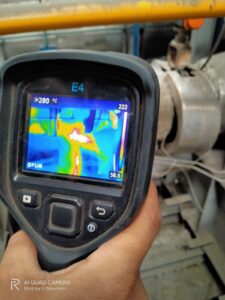
Thermal Imaging

Using non-contact heat detection, we identify overheating bearings, electrical panel faults, loose connections, and insulation failures, preventing electrical fires and mechanical seizing.


3. Dynamic Balancing

We correct rotor imbalance in fans, blowers, and pulleys. This instantly reduces machine vibration, extends bearing life, and improves reliability.

Dynamic Balancing

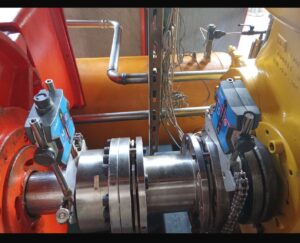
4. Precision Laser Alignment

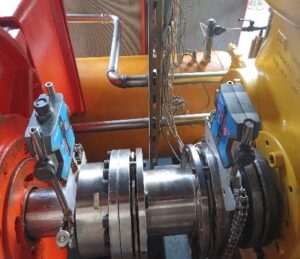
  • Laser Shaft Alignment: High-precision motor and pump alignment to reduce vibration and coupling stress.
  • Laser Belt Alignment: Accurate pulley alignment to prevent premature belt wear and power loss.
Laser Shaft Alignment

5. Advanced Leak Detection

  • Gas Leak Detection: Identifying hazardous leaks to enhance plant safety and environmental compliance.
  • Compressed Air Leak Detection: Locating hidden air leaks that waste massive amounts of energy.

6. Motor Management & Borescopy

  • Motor Management: Tracking electric motor condition and performance history.
  • Borescopy Inspection: Internal visual inspections of gearboxes and turbines without dismantling equipment.

Condition Monitoring Standards: Vibration Severity Chart

To ensure data accuracy, we evaluate machine health against international standards. The ISO 10816-3 (standard for industrial machines) provides a framework for evaluating vibration severity (measured in mm/s RMS).

Machine Class Good (A) Satisfactory (B) Unsatisfactory (C) Unacceptable (D)
Small Machines < 0.71 mm/s 0.71 – 1.8 mm/s 1.8 – 4.5 mm/s > 4.5 mm/s
Medium Machines < 1.12 mm/s 1.12 – 2.8 mm/s 2.8 – 7.1 mm/s > 7.1 mm/s
Large (Rigid Foundation) < 1.8 mm/s 1.8 – 4.5 mm/s 4.5 – 11.2 mm/s > 11.2 mm/s
Large (Soft Foundation) < 2.8 mm/s 2.8 – 7.1 mm/s 7.1 – 18.0 mm/s > 18.0 mm/s


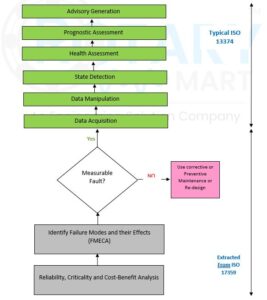
How to Implement a Condition Monitoring Program: 6-Step Plan

  1. Asset Survey: Audit your plant to identify critical machinery and potential failure modes.
  2. Baseline Collection: Record baseline vibration and temperature while machines run optimally.
  3. Sensor Setup: Choose between handheld routes or wireless online IoT sensors.
  4. Regular Collection: Execute scheduled inspections or monitor real-time data streams.
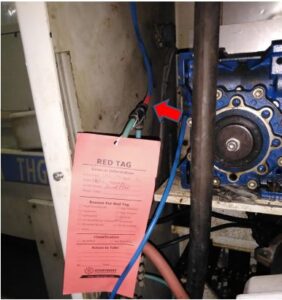
  5. Analysis & Tagging: Diagnose root causes, rank urgency, and create work orders.
  6. Corrective Action: Execute fixes (alignment, balancing) and verify the results.

Iso Condition Monitoring Program.


Condition Monitoring in Action: Preventing a Costly Failure

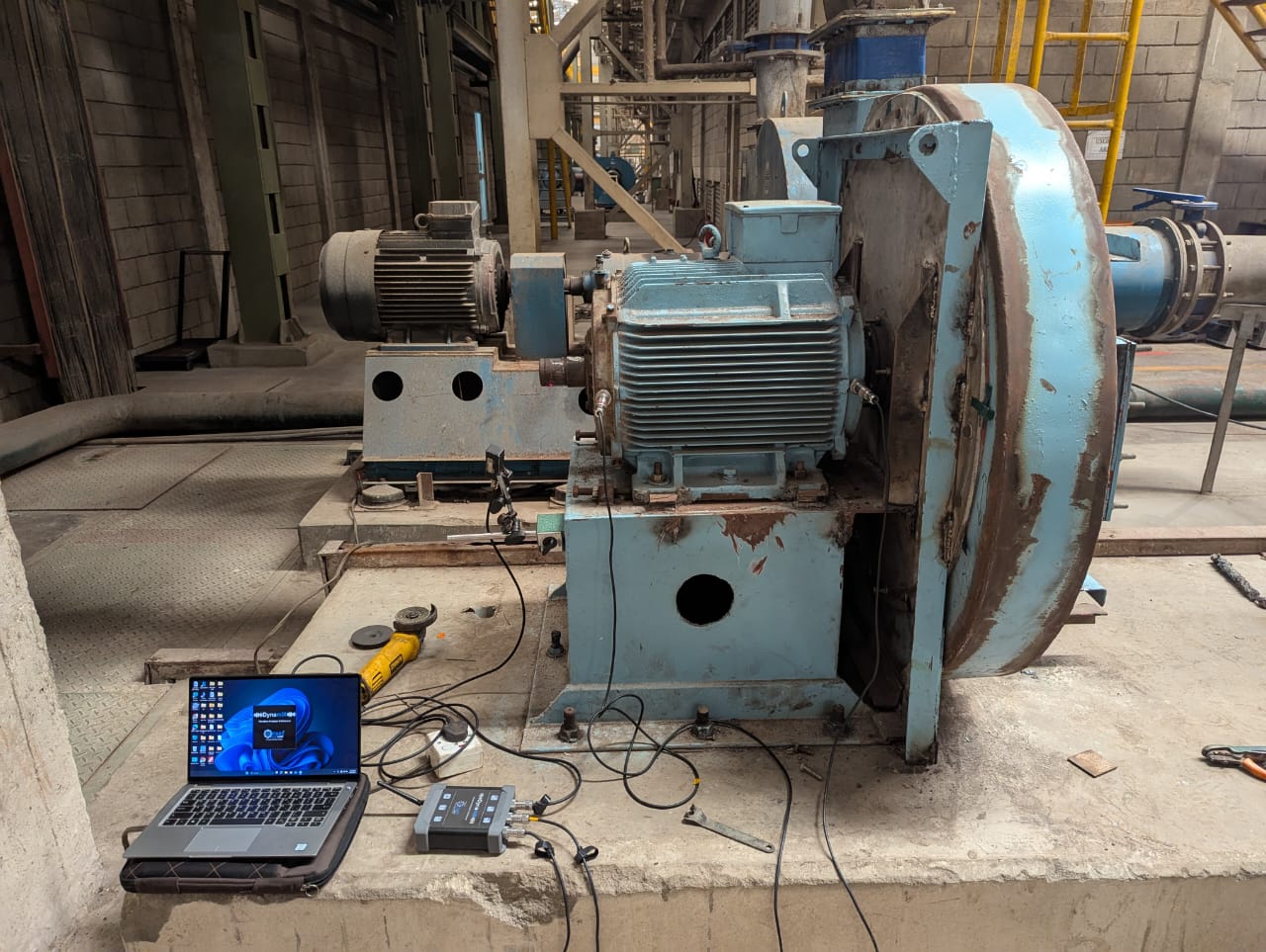
The Scenario: During a routine check in a local textile mill, a critical industrial fan showed a rising vibration signature (1× and 2×) due to mild shaft looseness.

The Action: The maintenance team scheduled a brief, planned outage. They performed laser shaft alignment, execute dynamic balancing, and an oil top-up.

The Result: Vibration dropped by 70%. The plant successfully avoided a Rs. 4,200,000 bearing and shaft replacement cost, along with a 3-day unplanned shutdown.


Ready to eliminate unplanned downtime?

Stop reacting to machine failures and start preventing them. Contact Rotary Mart today to set up a custom condition monitoring program for your facility.

 

Condition Monitoring – A Proactive Approach, Not Troubleshooting

Industrial machines do not fail suddenly. In most cases, the problem develops slowly over weeks or even months. However, many companies only call for help after a breakdown happens.

At Rotary Mart, we believe in prevention, not panic. Condition monitoring in Pakistan should be a proactive strategy, not just emergency troubleshooting.

Think of condition monitoring like a doctor’s check-up. It detects small issues early. As a result, you can fix the root cause before it becomes a costly failure.

What Is Condition Monitoring Service?

A condition monitoring service checks the health of machines while they are running. It uses data to detect early warning signs of failure.

This approach is also known as CBM services in Pakistan (Condition-Based Maintenance). Instead of changing parts based on time, maintenance is done based on actual machine condition.

Therefore, CBM improves reliability, reduces downtime, and lowers maintenance costs.

Why Condition Monitoring Is Important in Pakistan

Industries in Karachi, Lahore, Islamabad, and across Pakistan depend heavily on rotating equipment services. Pumps, motors, fans, compressors, and gearboxes must run continuously.

Without monitoring, common issues develop such as:

  • Looseness in foundations or structures
  • Bearing faults
  • Misalignment
  • Rotor imbalance
  • Resonance problems
  • Overheating

If ignored, these issues damage pumps, s

hafts, couplings, and bearings. Eventually, the machine stops.

That is why vibration monitoring in Pakistan is becoming essential for modern plants.

Our CBM Techniques and Machine Health Services

1. Vibration Analysis in Pakistan

Vibration analysis is one of the most powerful predictive maintenance tools.

It helps detect:

  • Imbalance
  • Looseness
  • Bearing faults
  • Shaft misalignment
  • Gear defects
  • Structural resonance

Vibration monitoring allows trend analysis, because of this, failures can be predicted way before breakdown occurs.

Vibration Analysis perform bearing tests to evaluate internal bearing condition and lubrication health.

2. Dynamic Balancing in Pakistan

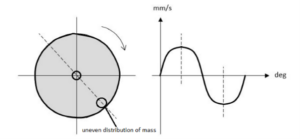
Imbalance is one of the most common causes of vibration.

We provide:

  • Dynamic balancing in Pakistan
  • Rotor balancing in Pakistan

Rotor balancing reduces vibration levels, protects bearings, and increases machine life. It is especially important for fans, blowers, and high-speed rotating equipment.

3. Laser Alignment in Pakistan

Misalignment causes excessive vibration, coupling wear, and bearing failure.

Our services include:

  • Laser alignment in Pakistan
  • Shaft alignment in Pakistan

Proper alignment improves energy efficiency and reduces mechanical stress on pumps and motors.

4. Thermal Imaging in Pakistan

Heat is often the first sign of trouble.

Thermal imaging in Pakistan, also known as thermography in Pakistan, helps detect:

  • Electrical hot spots
  • Motor overheating
  • Loose power connections
  • Friction-related heating
  • Insulation issues

Thermography allows corrective action before electrical or mechanical failure occurs.

5. Leak Testing in Pakistan

Compressed air systems often waste energy due to undetected leaks.

We provide:

  • Leak testing in Pakistan
  • Air leak testing in Pakistan

Air leak detection reduces energy loss and improves plant efficiency.

6. Resonance Services in Pakistan

Resonance amplifies vibration and can cause structural damage.

Our resonance services in Pakistan identify natural frequencies and structural weaknesses. Once detected, corrective solutions can be applied to prevent long-term damage.

Rotary Equipment Services in Pakistan

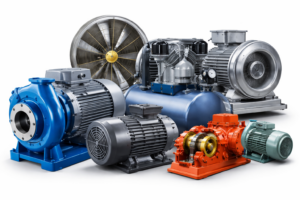
We specialize in rotary equipment services/Installation & overhauling in Pakistan, including:

  • Pumps
  • Motors
  • Compressors
  • Cooling fans
  • Gearboxes
  • Blowers

Regular machine health monitoring ensures these assets operate safely and efficiently

Recommended Monitoring Frequency

We recommend:

  • Quarterly monitoring for standard critical equipment
  • Monthly checks for highly critical machines
  • Continuous monitoring using permanent sensors for 24/7 plants

Early detection always costs less than emergency repair.

Our Advanced Monitoring Tools

We use modern diagnostic solutions including:

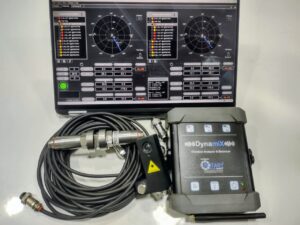
  • Dynamix Handheld Vibration Analysis – portable and accurate diagnostics
  • Dynamix Condition Monitoring System – triaxial wireless permanent sensors for continuous monitoring

These tools provide reliable machine health data for better maintenance decisions.

Benefits of Proactive Condition Monitoring

When you implement condition monitoring service properly, you achieve:

  • Reduced unplanned downtime
  • Lower maintenance costs
  • Extended equipment life
  • Improved plant efficiency
  • Better workplace safety
  • Data-driven maintenance planning

In contrast, reactive maintenance increases stress, cost, and production loss.

Specialized Machine Health Monitoring by Rotary Mart

Condition monitoring in Pakistan is no longer optional. It is essential for industries that want stable operations and long-term reliability.

At Rotary Mart, we provide specialized services for:

  • Vibration analysis
  • Vibration monitoring
  • Dynamic balancing
  • Rotor balancing
  • Laser alignment
  • Shaft alignment
  • Thermal imaging and thermography
  • Leak testing and air leak testing
  • Resonance analysis
  • Complete rotary equipment services

We are located in Karachi, Lahore, Islamabad & UAE and serves all over Pakistan and International clients worldwide.

Instead of waiting for failure, choose proactive CBM services in Pakistan. Let our team help you detect small issues before they become major shutdowns.

Condition Monitoring Services in Pakistan

Protect critical rotating equipment with vibration analysis, thermal imaging and baseline assessments.

Industrial machine breakdowns rarely happen overnight. Most equipment problems develop gradually — imbalance, misalignment, bearing wear or overheating — and by the time a machine fails the signs were already there.

Think of condition

monitoring like a medical check-up: it fi

nds problems early so you can fix the root cause before failure occurs.

Why reactive maintenance is costly

Unplanned downtime and lost production

Secondary component damage (shafts, couplings, motors)

Higher emergency repair costs

Safety risks for personnel

Reactive troubleshooting treats symptoms. Condition monitoring finds and resolves the cause.

Recommended monitoring frequency’s

We recommend quarterly inspections for most critical machines and monthly monitoring for your most critical assets (critical pumps, compressors, cooling fans for process lines, etc.).

Rotary Mart Condition Monitoring Solutions

Vibration Analysis

Vibration analysis detects imbalance, misalignment, bearing defects, mechanical looseness, gear faults and structural resonance before they cause failure. Trend analysis lets you plan maintenance and avoid surprise breakdowns.

Thermal Imaging

Infrared thermography reveals electrical hot spots, loose connections, motor overheating and friction-related heating — often the first visible symptom of failure.

Baseline Health Assessment

We create a machine baseline (vibration signatures, temperature profiles, operating parameters) so future deviations are easy to detect and act on.

Tools & Systems

  • Dynamix Handheld Vibration Analysis — portable, easy-to-use diagnostics for field inspections.
  • Dynamix Condition Monitoring System — triaxial wireless permanent sensors for continuous, real-time monitoring of critical assets.

Business benefits of proactive monitoring

  • Reduced unplanned downtime
  • Lower overall maintenance costs
  • Extended equipment life
  • Improved energy efficiency
  • Enhanced workplace safety

Schedule your machine health check

Don’t wait for a sudden failure. Contact Rotary Mart today to book a baseline assessment or monitoring package.

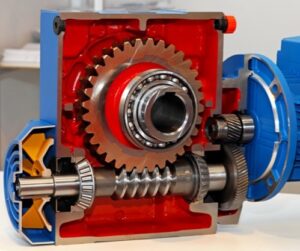
A Guide to Gearbox Analysis

The gearbox, the unsung hero of many machines, is responsible for transmitting power and changing its speed and direction. Keeping it healthy is vital for efficient operation and preventing costly downtime. Gearbox analysis helps diagnose potential problems before they snowball into major issues. This article explores various methods for analyzing your gearbox and keeping it running smoothly.

Visual Inspection: The First Line of Defense

A thorough visual inspection is a great starting point for gearbox analysis. Look for:

  • Cracks, leaks, or signs of overheating on the gearbox housing. These could indicate structural issues or lubrication problems.
  • Proper lubrication levels and the condition of the oil. Cloudy or discolored oil might signify contamination or degradation.
  • External signs of wear on shafts or couplings. Excessive wear can be a symptom of misalignment or bearing problems.

Oil Analysis: Decoding the Lubricant

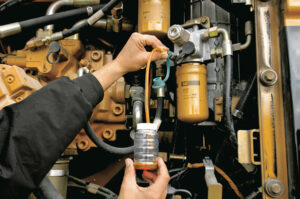
Gearbox oil analysis is a non-invasive technique that provides valuable insights. Here’s how it works:

  • A sample of the oil is extracted and sent to a lab for analysis.
  • Technicians examine the oil for the presence of:
    • Wear debris: Metallic particles indicate gear or bearing wear.
    • Oxidation: Breakdown of the oil due to heat or age.
    • Contamination: Dirt, water, or other foreign substances.

The presence and type of these elements can point towards specific gearbox issues.

 Vibration Analysis: Listening to Your Gearbox

Vibration analysis is a powerful tool for detecting gearbox problems. It involves using specialized equipment to measure the vibrations produced by the gearbox during operation. Different types of faults generate characteristic vibration frequencies. Here’s what a vibration analyst looks for:

  • Increased overall vibration levels: This could indicate general wear or misalignment.
  • Specific frequencies: Frequencies corresponding to gear meshing, bearing faults, or shaft imbalance can pinpoint the problem location.

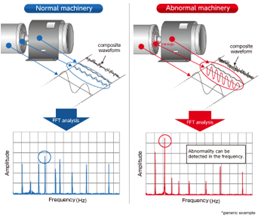
By analyzing the vibration spectrum, technicians can identify problems at an early stage, allowing for corrective action before they cause serious damage.

Going Beyond the Basics:

For a more comprehensive analysis, especially for critical applications, additional methods can be employed:

  • Temperature monitoring: Excessive temperatures can indicate bearing wear, lubrication issues, or overloading.
  • Ultrasonic testing: This technique uses high-frequency sound waves to detect cracks or other internal defects in gearbox components.
  • Magnetic particle inspection: This method helps identify surface cracks on gears and shafts.

Keeping Your Gearbox Healthy:

By incorporating these analysis techniques into your maintenance routine, you can:

  • Identify and address problems early on. This prevents costly repairs and unplanned downtime.
  • Optimize maintenance schedules. By understanding the condition of your gearbox, you can tailor maintenance activities to its specific needs.
  • Extend the life of your gearbox. Proactive maintenance ensures your gearbox operates efficiently for a longer period.

Regular gearbox analysis is an investment that pays off in the long run. By keeping your gears in top shape, you can ensure smooth operation, avoid costly breakdowns, and maximize the lifespan of your machinery.

How to Create a Database of a Machine

How to Create a Machine Database in DigiVibMX9

Creating a Machine Database in DigiVibMX9 is an essential step for effective vibration monitoring and condition-based maintenance. A properly organized machine database helps engineers track equipment health, collect vibration data, and perform accurate analysis for pumps, motors, compressors, gearboxes, blowers, and cooling fans.

By setting up a structured database, maintenance teams can easily monitor machine performance and detect faults early using vibration analysis tools.

1. Start a New Project or Open an Existing One

To begin creating a Machine Database in DigiVibMX9, start by creating a new project within the software. Projects act as containers where all machine information and vibration measurement data are stored.

If you already have data from previously monitored equipment, you can open an existing project and add the new machine details to the same database.

2. Define Machine Parameters

After creating the project, the next step in building a Machine Database in DigiVibMX9 is defining the machine information. Accurate machine details help in proper identification and analysis.

Typical machine parameters include:

  • Machine Name – A unique identifier for each machine
  • Machine Type – Pump, Motor, Compressor, Gearbox, Blower, Cooling Fan
  • Manufacturer – Company that produced the machine
  • Model Number – Equipment model identification
  • Serial Number – Unique manufacturing number

Providing complete machine information ensures better traceability and analysis during condition monitoring activities.

3. Setup Measurement Points

Measurement points are locations where vibration data is collected using sensors. Defining proper measurement points is critical when creating a Machine Database in DigiVibMX9.

Each measurement point typically includes:

  • Measurement Point ID – Unique identifier for each location
  • Measurement Point Description – Example: Drive End Bearing, Non-Drive End Bearing, Gearbox Housing
  • Sensor Type – Accelerometer or vibration sensor
  • Sensor Location – Horizontal, Vertical, or Axial direction

Correct placement of measurement points improves the accuracy of vibration diagnostics.

4. Configure Data Acquisition

Once machines and measurement points are defined, DigiVibMX9 can collect vibration data from the sensors.

Key data acquisition settings include:

  • Sampling Rate – Determines how frequently vibration signals are captured
  • Number of Channels – Number of sensors connected to the device
  • Measurement Duration – Time period for collecting vibration data

Proper data acquisition settings ensure reliable vibration measurements for condition monitoring.

5. Data Storage and Analysis

All collected vibration signals are stored within the project database. DigiVibMX9 provides multiple analysis tools to interpret machine health conditions.

Common analysis methods include:

  • Frequency Spectrum Analysis – Identifies dominant vibration frequencies and potential faults
  • Time Waveform Analysis – Shows vibration behavior over time
  • Alarm Level Comparison – Detects abnormal vibration levels compared to reference limits

These analysis tools help maintenance engineers detect faults such as imbalance, misalignment, and bearing defects before serious failures occur.

Additional Tips for Creating a Machine Database in DigiVibMX9

  • Always follow a consistent naming convention for machines and measurement points.
  • Refer to the DigiVibMX9 user manual for recommended configuration settings.
  • Follow manufacturer recommendations for sensor placement and data collection parameters.
  • Regularly back up project files to prevent data loss.

A well-structured Machine Database in DigiVibMX9 allows maintenance teams to perform effective vibration analysis, improve equipment reliability, and support predictive maintenance programs.

Understanding Single Plane and Dual Plane Balancing in Machinery

In the world of engineering and machinery, balance is key. Whether it’s a rotating shaft in an industrial plant or the propeller of an aircraft, imbalance can lead to inefficiency, excessive wear and tear, and even catastrophic failure. To ensure smooth operation and longevity of machinery, engineers rely on balancing techniques, with two primary methods being single plane and dual plane balancing.

What is Balancing?

Before diving into the intricacies of single plane and dual plane balancing, let’s understand the concept of balancing itself. In simple terms, balancing involves the adjustment of mass distribution within a rotating body to minimize vibration and maximize performance. This adjustment is crucial to prevent unnecessary stress on machinery components and to ensure their optimal functioning.

Single Plane Balancing:

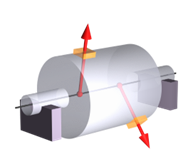
Single plane balancing, as the name suggests, involves correcting imbalance along a single plane. This method is commonly used for machinery with relatively simple configurations, such as fans, impellers, and small motors. In single plane balancing, the goal is to identify the heavy spot on the rotating component and add or remove mass to counterbalance it.

The process typically involves mounting the rotating component on a balancing machine, which detects the imbalance and provides guidance on where and how much mass needs to be added or removed. This adjustment is usually achieved by adding balance weights or by drilling holes to remove excess material.

Single plane balancing is effective for many applications, but it may not address all sources of imbalance, especially in more complex machinery configurations.

Dual Plane Balancing:

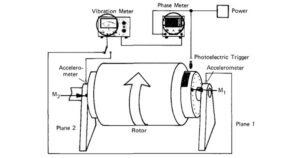
Dual plane balancing, on the other hand, accounts for imbalance in two planes. This method is often necessary for machinery with more complex geometries, such as large turbines, engines, and multi-stage pumps. In these cases, imbalance can occur not only along the axis of rotation but also radially.

Dual plane balancing requires more sophisticated equipment and expertise compared to single plane balancing. It involves measuring and correcting imbalance in two directions, typically axial and radial, to achieve optimal balance.

Similar to single plane balancing, dual plane balancing also utilizes balancing machines to identify imbalance and determine the necessary adjustments. However, the process is more involved, as it requires careful consideration of both axial and radial components of imbalance.

Choosing The Right Balancing Method:

The choice between single plane and dual plane balancing depends on various factors, including the complexity of the machinery, the severity of imbalance, and the desired level of performance. While single plane balancing is simpler and sufficient for many applications, dual plane balancing offers a more comprehensive solution for complex machinery where imbalance occurs in multiple planes.

It’s essential to consult with experienced engineers and balancing experts to determine the most suitable balancing method for a specific application. By addressing imbalance effectively, machinery operators can improve efficiency, reduce maintenance costs, and extend the lifespan of critical components.

Conclusion

In the realm of machinery and engineering, balance is paramount. Single plane and dual plane balancing are two essential techniques used to address imbalance in rotating components. While single plane balancing is suitable for simpler configurations, dual plane balancing offers a more comprehensive solution for complex machinery.

Understanding the differences between these two methods and choosing the appropriate one for a given application is crucial for ensuring optimal performance and longevity of machinery. With proper balancing techniques in place, engineers can minimize vibration, reduce wear and tear, and enhance the reliability of critical systems.

Keeping Machines Healthy: Vibration Analysis

Have you ever noticed a machine vibrating more than usual? It might just be a harmless quirk, but it could also be a sign of trouble brewing beneath the surface. This is where vibration analysis comes in – a powerful tool for ensuring the health and longevity of your equipment.

What is Vibration Analysis?

In a nutshell, vibration analysis is the process of measuring the vibrations produced by machinery and analyzing them to identify potential problems. By understanding the patterns and frequencies of these vibrations, Vibration Analyst can diagnose issues like:

  • Bearing wear
  • Misalignment
  • Gear problems
  • Looseness
  • Imbalance

Early detection of these problems allows for preventive maintenance, saving you from costly repairs and unplanned downtime.

The Vibration Analysis Process

Here’s a breakdown of the typical vibration analysis process:

  1. Data Collection: Specialized sensors called accelerometers are attached to the machine at key measurement points. These sensors pick up on the vibrations and convert them into electrical signals.
  2. Baseline Establishment: During the initial analysis, vibration data is collected and used as a benchmark, or baseline. This baseline serves as a reference point for future comparisons, helping to identify any deviations that might indicate developing problems.
  3. Data Analysis: The collected data is then fed into specialized software that converts it from the time domain (a chronological record) into the frequency domain (a spectrum showing the intensity of different vibration frequencies). By analyzing this spectrum, Vibration Analyst can identify specific frequencies that correspond to various machine faults.
  4. Diagnosis and Corrective Action: Based on the analysis, Vibration Analyst can diagnose the root cause of the vibration and recommend corrective actions. This might involve anything from lubrication adjustments to component replacement.

Benefits of Vibration Analysis

Here are some key benefits of incorporating vibration analysis into your maintenance strategy:

  • Predictive Maintenance: By identifying problems early on, you can schedule repairs during downtime, preventing catastrophic failures and costly production losses.
  • Reduced Downtime: Early detection of issues helps to prevent unexpected equipment breakdowns, keeping your operations running smoothly.
  • Lower Maintenance Costs: Proactive maintenance is often cheaper than reactive repairs.
  • Improved Equipment Lifespan: By addressing problems before they become severe, you can extend the life of your machinery.

Conclusion

Vibration analysis is a valuable tool for any organization that relies on machinery. By proactively monitoring equipment health, you can prevent costly downtime, extend equipment life, and optimize your maintenance strategy. If you’re looking to keep your machines running smoothly and efficiently, consider incorporating vibration analysis into your routine

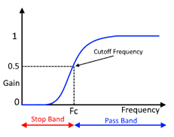
Vibration Analysis Filters: Improve Fault Detection

Vibration analysis relies heavily on a tool called filters. Understanding how these filters work is crucial for interpreting vibration data accurately.

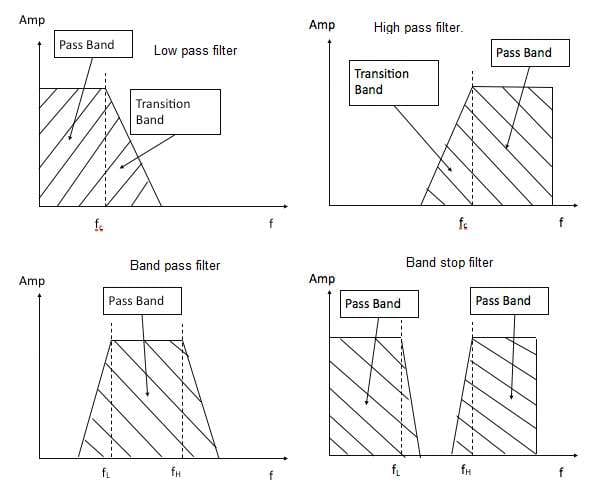
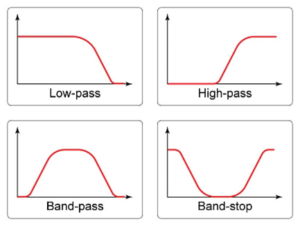
There are four main filter types, each designed to manipulate specific frequencies:

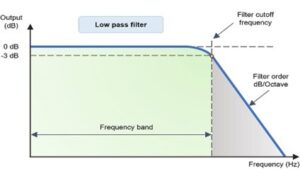
Low-Pass Filters:

Like gatekeepers, they allow only low frequencies to pass through, filtering out unwanted high frequencies. These are especially useful for removing distortions introduced during data acquisition and conversion.

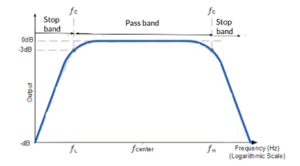
Band-Pass Filters:

They act like spotlights, focusing only on a designated range of frequencies within a band while blocking out everything else. Imagine a radio tuner that isolates a specific station from background noise. Band-pass filters are ideal for extracting particular tones, like a test signal amidst surrounding noise.

Band-Stop Filters:

These work in reverse compared to band-pass filters. They function like noise cancellers, removing a specific range of unwanted frequencies while allowing everything else to pass. A common application is eliminating electrical line noise (50 or 60 Hz) from other vibration signals.

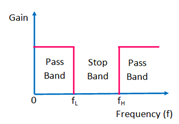
High-Pass Filters:

Think of them as focusing on whispers amidst a storm. They let through only high frequencies, blocking out the stronger, lower frequencies. This plays a key role in detecting early signs of bearing wear, which often manifest as subtle high-frequency vibrations.

While perfect filters would completely block unwanted frequencies, real filters aren’t that sharp. They have a fuzzy area where some frequencies weaken instead of being entirely stopped. Understanding these filter limitations is crucial to focusing on the data we actually care about.

Shaft Alignment Using a Dial Indicator

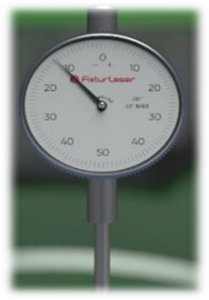
A dial indicator is a valuable tool used for various applications, with one of the most common being shaft alignment.

Working Mechanism

The dial indicator operates using a precisely geared mechanism driven by a plunger to measure thousandths of an inch (thou). Here’s how it works:

  • Plunger Movement: The plunger can move in and out.

When the plunger is pushed in, the needle rotates clockwise, indicating positive results

When the plunger moves out, the needle rotates counterclockwise, indicating negative results.


Mounting the Dial Indicator

To demonstrate the practical application, we mount the bracket to the shaft of the moveable machine with the dial reading on the rim of the stationary machine at the 12 o’clock position. Ensure the plunger is midway between fully extended and fully retracted, then zero the dial by rotating the bezel.

Aligned Machine

Consider only the vertical plane for this explanation, although the same principles apply to the horizontal plane. When the shafts are perfectly aligned:

  • As the shafts rotate, the dial indicator remains at zero throughout the full revolution.

Misaligned Machine

To illustrate misalignment, we lower all four feet of the moveable machine by 20 thou, creating a vertical offset misalignment of -20 thou with zero horizontal offset. Viewing the alignment axially, the misalignment is evident, with the center points of the shafts 20 thou apart. The dial is set to zero at the 12 o’clock position.

1.Rotate to 6 o’clock: As the shaft rotates to the 6 o’clock position, the needle moves in the negative direction as the dial plunger extends.

2.Reading at 6 o’clock: At 6 o’clock, the dial reads -40 thou, known as the Total Indicator Reading (TIR). Divide this number by two and rotate the bezel to -20 thou, the actual amount of misalignment.

3.True Shaft Position: The dial indicator now shows the true position of the shafts at any point during the rotation.

4.Back to 12 o’clock: Rotating back to the 12 o’clock position, the dial indicates zero offset at 3 o’clock and +20 thou at 12 o’clock, confirming the correct values.

By following these steps, the dial indicator accurately measures and aligns the shafts, ensuring optimal performance of the machinery.

Pak China Relations in Changing Geopolitical Scenario

All-Weather Friends in a Shifting World: Pakistan and China in a Changing Geopolitical Landscape

Pakistan and China’s relationship, often referred to as “all-weather,” has been a constant in a region marked by flux. Decades of close political, economic, and military ties have seen them navigate a changing geopolitical landscape together. But what does the future hold for this partnership in light of new global realities?

A Foundation Built on Shared Interests

The roots of this strong bond run deep. Both countries have historically viewed each other as strategic partners, united by a desire to counterbalance India’s regional influence. China’s economic rise has further bolstered this partnership. Pakistan has become a crucial link in China’s Belt and Road Initiative (BRI), with the China-Pakistan Economic Corridor (CPEC) playing a central role in infrastructure development and regional connectivity.

Navigating a Complex Neighbourhood

The recent US withdrawal from Afghanistan has added a layer of complexity. Both China and Pakistan are apprehensive about the potential for instability in their neighboring country. They have called for a peaceful and inclusive government in Afghanistan to prevent a humanitarian crisis and the spread of extremism.

Challenges and Considerations

Despite their strong ties, there are challenges ahead. Pakistan’s growing debt burden due to CPEC projects and concerns about project transparency require careful management. Additionally, the evolving US-China rivalry casts a shadow, with Pakistan caught between its traditional ally and its increasingly important economic partner.

The Road Ahead

Looking ahead, Pakistan and China’s relationship is likely to endure. They share a common vision for a multipolar world order and remain committed to regional stability. Effective communication, addressing debt concerns, and ensuring transparency in CPEC projects will be crucial in navigating the complexities of the changing geopolitical landscape.

This blog serves as the initial step in our discussion.

Here are some additional questions to ponder:

  • How will the US-China rivalry impact Pakistan’s strategic choices?
  • Can CPEC be a driver of regional development or a source of instability?
  • What role can Pakistan and China play in fostering peace and stability in Afghanistan?

By continuing this dialogue, we can gain a deeper understanding of this vital partnership and its role in shaping the future of South Asia.

0

Search for products

Back to Top
Product has been added to your cart