The Importance of Vibration Analysis in Predictive Maintenance
Introduction:
In the world of machinery and industrial equipment, breakdowns can be costly in both repair and lost productivity. This is where predictive maintenance comes in, providing a proactive approach to equipment maintenance rather than simply reacting to failures. Among the many tools and techniques available, vibration analysis stands out as a powerful way to detect potential problems before they develop into complete failures. In this blog, we discuss the importance of vibration analysis in predictive maintenance and how it contributes to smoother operations, reduced downtime, and overall cost savings.
Understanding Vibration:
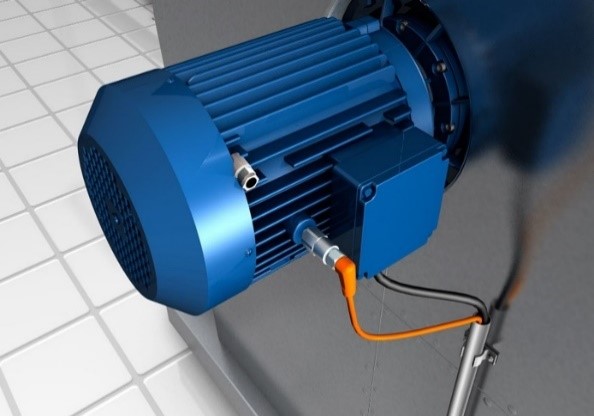
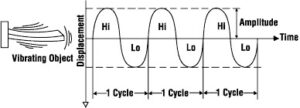
Vibration analysis monitors and analyzes the vibrations produced by machinery to identify anomalies or patterns that indicate potential problems. All machines produce vibrations during normal operation, and changes in these vibrations can indicate a variety of problems, including: Examples: misalignment, bearing wear, shaft imbalance, or structural integrity issues. By regularly collecting and analyzing vibration data, maintenance teams gain valuable insight into equipment health and can predict when maintenance or repair is required, thus avoiding unexpected breakdowns.
Proactive maintenance instead of reactive repairs:
Traditionally, maintenance has been performed reactively. Repairs were carried out after the machine had already broken down or showed signs of malfunction. This approach often results in costly downtime, emergency repairs, and lost production. Predictive maintenance, on the other hand, changes the paradigm by allowing maintenance tasks to be performed before a failure occurs. By monitoring vibration patterns and identifying early signs of deterioration, maintenance teams can schedule repairs during planned downtime, minimizing service interruptions and maximizing equipment uptime.
Reduce costs and increase efficiency:
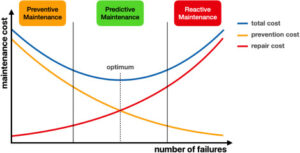
Introducing vibration analysis into predictive maintenance can provide significant economic benefits. By addressing problems before they become serious, businesses can avoid the high costs of emergency repairs, parts replacement, and unplanned downtime. Additionally, predictive maintenance reduces the chance of catastrophic failures that can cause significant damage to the machine and surrounding equipment. Additionally, by optimizing maintenance schedules based on actual equipment health rather than arbitrary schedules, businesses can save on unnecessary maintenance costs while ensuring optimal performance and longevity of their assets.
Improved security and reliability:
Beyond economic impact, vibration analysis contributes to improved safety and reliability in industrial environments. Detect and resolve potential equipment failures before they occur, minimizing the risk of accidents, injuries, and environmental hazards. By keeping machinery in optimal condition, companies can also improve operational reliability, giving them confidence in their ability to consistently meet production targets.
Leverage technology to gain better insights
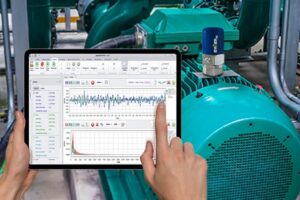
Advances in technology have changed the landscape of predictive maintenance, making vibration analysis easier and more effective than ever before. Advanced sensors, data analysis tools, and machine learning algorithms can now monitor and analyze vibration data in real time, allowing maintenance teams to more accurately detect subtle changes and anomalies. Additionally, cloud-based platforms facilitate remote monitoring and collaboration, allowing businesses to leverage expertise and make data-driven decisions in real-time from anywhere in the world.

Conclusion
In an era where maximizing efficiency and minimizing downtime are paramount, the importance of vibration analysis for predictive maintenance cannot be overstated. By harnessing the power of vibration data, companies can move from reactive maintenance practices to proactive strategies that optimize performance, increase safety, and drive cost savings. As technology advances, vibration analysis capabilities continue to expand, enabling the industry to achieve new levels of reliability and efficiency in its operations. Adopting this innovative maintenance approach is more than just a smart investment, it’s a critical step to staying competitive in today’s rapidly evolving industrial environment.