

Understanding Single Plane and Dual Plane Balancing in Machinery
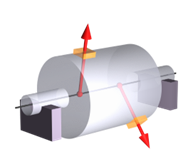
In the world of engineering and machinery, balance is key. Whether it’s a rotating shaft in an industrial plant or the propeller of an aircraft, imbalance can lead to inefficiency, excessive wear and tear, and even catastrophic failure. To ensure smooth operation and longevity of machinery, engineers rely on balancing techniques, with two primary methods being single plane and dual plane balancing.
What is Balancing?
Before diving into the intricacies of single plane and dual plane balancing, let’s understand the concept of balancing itself. In simple terms, balancing involves the adjustment of mass distribution within a rotating body to minimize vibration and maximize performance. This adjustment is crucial to prevent unnecessary stress on machinery components and to ensure their optimal functioning.
Single Plane Balancing:
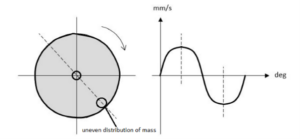
Single plane balancing, as the name suggests, involves correcting imbalance along a single plane. This method is commonly used for machinery with relatively simple configurations, such as fans, impellers, and small motors. In single plane balancing, the goal is to identify the heavy spot on the rotating component and add or remove mass to counterbalance it.
The process typically involves mounting the rotating component on a balancing machine, which detects the imbalance and provides guidance on where and how much mass needs to be added or removed. This adjustment is usually achieved by adding balance weights or by drilling holes to remove excess material.
Single plane balancing is effective for many applications, but it may not address all sources of imbalance, especially in more complex machinery configurations.
Dual Plane Balancing:

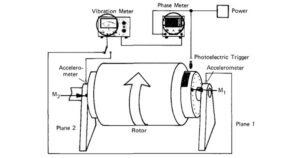
Dual plane balancing, on the other hand, accounts for imbalance in two planes. This method is often necessary for machinery with more complex geometries, such as large turbines, engines, and multi-stage pumps. In these cases, imbalance can occur not only along the axis of rotation but also radially.
Dual plane balancing requires more sophisticated equipment and expertise compared to single plane balancing. It involves measuring and correcting imbalance in two directions, typically axial and radial, to achieve optimal balance.
Similar to single plane balancing, dual plane balancing also utilizes balancing machines to identify imbalance and determine the necessary adjustments. However, the process is more involved, as it requires careful consideration of both axial and radial components of imbalance.
Choosing The Right Balancing Method:

The choice between single plane and dual plane balancing depends on various factors, including the complexity of the machinery, the severity of imbalance, and the desired level of performance. While single plane balancing is simpler and sufficient for many applications, dual plane balancing offers a more comprehensive solution for complex machinery where imbalance occurs in multiple planes.
It’s essential to consult with experienced engineers and balancing experts to determine the most suitable balancing method for a specific application. By addressing imbalance effectively, machinery operators can improve efficiency, reduce maintenance costs, and extend the lifespan of critical components.
Conclusion
In the realm of machinery and engineering, balance is paramount. Single plane and dual plane balancing are two essential techniques used to address imbalance in rotating components. While single plane balancing is suitable for simpler configurations, dual plane balancing offers a more comprehensive solution for complex machinery.
Understanding the differences between these two methods and choosing the appropriate one for a given application is crucial for ensuring optimal performance and longevity of machinery. With proper balancing techniques in place, engineers can minimize vibration, reduce wear and tear, and enhance the reliability of critical systems.
