

Keeping Machines Healthy: Vibration Analysis
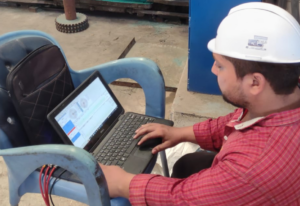
Have you ever noticed a machine vibrating more than usual? It might just be a harmless quirk, but it could also be a sign of trouble brewing beneath the surface. This is where vibration analysis comes in – a powerful tool for ensuring the health and longevity of your equipment.
What is Vibration Analysis?
In a nutshell, vibration analysis is the process of measuring the vibrations produced by machinery and analyzing them to identify potential problems. By understanding the patterns and frequencies of these vibrations, Vibration Analyst can diagnose issues like:
- Bearing wear
- Misalignment
- Gear problems
- Looseness
- Imbalance
Early detection of these problems allows for preventive maintenance, saving you from costly repairs and unplanned downtime.
The Vibration Analysis Process
Here’s a breakdown of the typical vibration analysis process:
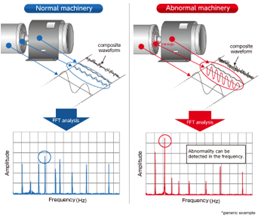
- Data Collection: Specialized sensors called accelerometers are attached to the machine at key measurement points. These sensors pick up on the vibrations and convert them into electrical signals.
- Baseline Establishment: During the initial analysis, vibration data is collected and used as a benchmark, or baseline. This baseline serves as a reference point for future comparisons, helping to identify any deviations that might indicate developing problems.
- Data Analysis: The collected data is then fed into specialized software that converts it from the time domain (a chronological record) into the frequency domain (a spectrum showing the intensity of different vibration frequencies). By analyzing this spectrum, Vibration Analyst can identify specific frequencies that correspond to various machine faults.
- Diagnosis and Corrective Action: Based on the analysis, Vibration Analyst can diagnose the root cause of the vibration and recommend corrective actions. This might involve anything from lubrication adjustments to component replacement.
Benefits of Vibration Analysis
Here are some key benefits of incorporating vibration analysis into your maintenance strategy:
- Predictive Maintenance: By identifying problems early on, you can schedule repairs during downtime, preventing catastrophic failures and costly production losses.
- Reduced Downtime: Early detection of issues helps to prevent unexpected equipment breakdowns, keeping your operations running smoothly.
- Lower Maintenance Costs: Proactive maintenance is often cheaper than reactive repairs.
- Improved Equipment Lifespan: By addressing problems before they become severe, you can extend the life of your machinery.
Conclusion
Vibration analysis is a valuable tool for any organization that relies on machinery. By proactively monitoring equipment health, you can prevent costly downtime, extend equipment life, and optimize your maintenance strategy. If you’re looking to keep your machines running smoothly and efficiently, consider incorporating vibration analysis into your routine
