

Introduction:
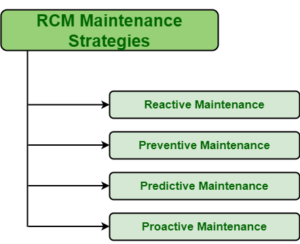
In the dynamic landscape of industry and infrastructure, maintenance stands as a cornerstone for ensuring optimal performance, longevity, and safety. Whether it’s a manufacturing plant, a fleet of vehicles, or a complex network of machinery, adopting effective maintenance strategies is paramount for sustained efficiency and cost-effectiveness. In this blog, we delve into four key maintenance strategies that organizations can employ to streamline operations and enhance productivity.
1. Reactive Maintenance:
Fix it when it breaks
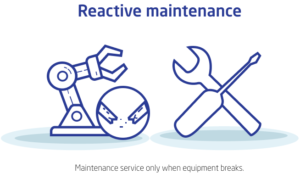
Reactive maintenance, often referred to as “breakdown maintenance,” involves addressing equipment failures as they occur. While it might seem like the most straightforward approach, reactive maintenance can lead to costly downtime, emergency repairs, and a negative impact on productivity. However, there are situations where reactive maintenance is unavoidable or even preferred. For equipment with low criticality or when the cost of preventive maintenance outweighs the potential downtime, reactive maintenance might be a viable option. Nonetheless, relying solely on this strategy can be risky and unsustainable in the long run.
2. Preventive Maintenance:
Perform regular overhauls so that the machine will not fail
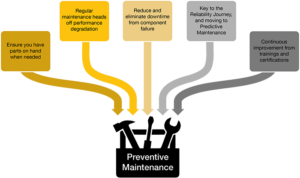
Preventive maintenance aims to mitigate the likelihood of equipment failures by scheduling regular inspections, servicing, and repairs. This proactive approach involves conducting routine tasks such as lubrication, part replacements, and system checks based on predetermined schedules or usage thresholds. By adhering to a preventive maintenance schedule, organizations can anticipate and address issues before they escalate into costly breakdowns. This strategy helps minimize unplanned downtime, extend the lifespan of assets, and optimize overall operational efficiency. Additionally, it fosters a culture of reliability and accountability within the workforce.
3. Predictive Maintenance:
If it ain’t broke, don’t fix it
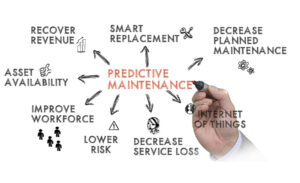
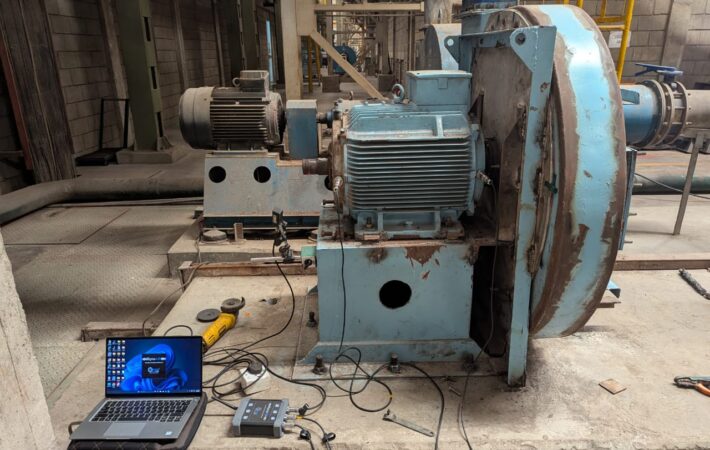
Predictive maintenance leverages advanced technologies such as sensors, data analytics, and machine learning algorithms to forecast equipment failures before they occur. By continuously monitoring key performance indicators and analyzing real-time data, organizations can identify patterns, anomalies, and early warning signs of potential issues. This data-driven approach enables predictive maintenance strategies to optimize maintenance schedules, prioritize critical assets, and allocate resources more effectively. By intervening at the right time with targeted maintenance actions, organizations can minimize downtime, reduce maintenance costs, and maximize asset availability and performance.
4. Reliability-centered Maintenance (RCM):
To anticipate and solve problems before they become problems
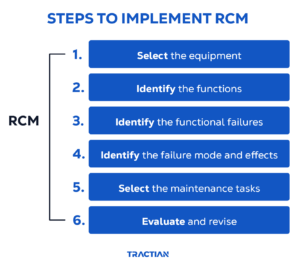
Reliability-centered maintenance (RCM) is a holistic approach that focuses on optimizing maintenance strategies based on the criticality, function, and performance of assets. RCM involves analyzing the potential consequences of equipment failures, identifying appropriate maintenance tasks, and determining the most cost-effective maintenance intervals. Unlike traditional approaches that rely on fixed schedules, RCM emphasizes a tailored and data-informed approach to maintenance planning. By aligning maintenance activities with business objectives and risk tolerance levels, RCM helps organizations achieve higher levels of reliability, safety, and efficiency while minimizing unnecessary maintenance tasks and associated costs.
Conclusion
In today’s competitive landscape, organizations across various industries are under increasing pressure to maximize operational efficiency while minimizing costs and downtime. Effective maintenance strategies play a pivotal role in achieving these objectives by ensuring the reliability, availability, and performance of critical assets. By embracing a combination of reactive, preventive, predictive, and reliability-centered maintenance approaches, organizations can strike a balance between addressing immediate needs and proactively managing asset reliability and performance in the long term. Ultimately, investing in robust maintenance strategies isn’t just about fixing what’s broken—it’s about optimizing operations, driving sustainability, and staying ahead in an ever-evolving marketplace.



Leave a comment
Your email address will not be published. Required fields are marked *