Fourier Transform and Spectrum Analysis in Vibration Analysis

In the intricate world of engineering and physics, understanding the dynamics of vibrations is paramount. Whether it’s ensuring the structural integrity of bridges, optimizing machinery performance, or diagnosing faults in rotating equipment, the ability to analyze vibrations accurately is indispensable. At the heart of this analysis lie advanced techniques such as Fourier Transform and Spectrum Analysis. In this blog, we delve into the depths of these techniques, uncovering their significance and exploring how they revolutionize vibration analysis.

Understanding Vibrations:

Before we embark on our journey into Fourier Transform and Spectrum Analysis, let’s grasp the essence of vibrations. Vibrations, in essence, are oscillatory motions exhibited by a mechanical system. They can originate from various sources such as machinery operations, environmental factors, or structural resonance. Monitoring and analyzing these vibrations provide crucial insights into the behavior and health of the system under consideration.

The Role of Fourier Transform:

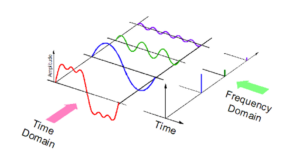
Enter Fourier Transform, a mathematical tool that serves as the cornerstone of signal processing. Named after the French mathematician Joseph Fourier, this transformative technique dissects a complex signal into its constituent frequencies. By representing a time-domain signal in the frequency domain, Fourier Transform unveils the spectral composition of vibrations, enabling engineers to identify dominant frequencies and characterize their amplitudes.

Practical Implementation:

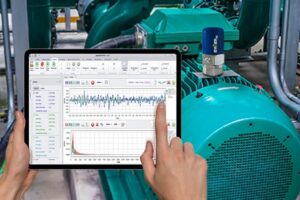
In vibration analysis, Fourier Transform acts as a gateway to understanding the underlying dynamics of a system. Suppose we have a time-series dataset representing vibrations recorded from a rotating machine. By applying Fourier Transform to this dataset, we can extract the frequency components present in the signal. This allows us to pinpoint specific frequencies associated with critical machinery components such as shafts, bearings, or gears.

Spectrum Analysis: Shedding Light on Vibrational Patterns
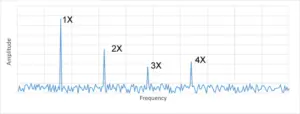
Building upon the foundation laid by Fourier Transform, Spectrum Analysis emerges as a powerful tool for vibration analysis. Spectrum Analysis involves plotting the frequency components obtained from Fourier Transform on a graphical scale known as the frequency spectrum. This spectrum provides a visual representation of the signal’s frequency content, akin to a fingerprint that uniquely identifies the vibrational pattern.

Diagnosing Machinery Faults:
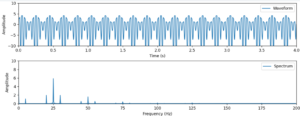
The marriage of Fourier Transform and Spectrum Analysis equips engineers with the means to diagnose machinery faults accurately. By analyzing the frequency spectrum of vibration signals, anomalies such as harmonics, sidebands, and resonances indicative of faults can be detected. For instance, the presence of specific harmonics in the spectrum might signal misalignment or unbalanced components, while sidebands could indicate bearing faults or gear defects.

Advanced Applications:

The utility of Fourier Transform and Spectrum Analysis extends beyond fault diagnosis to predictive maintenance and performance optimization. By continuously monitoring vibrations and analyzing their spectral characteristics, engineers can anticipate impending failures, schedule maintenance proactively, and fine-tune machinery parameters to enhance efficiency and longevity.

Conclusion

In the realm of vibration analysis, Fourier Transform and Spectrum Analysis stand as pillars of insight, illuminating the spectral landscape of mechanical systems. By harnessing the power of these advanced techniques, engineers can unravel the mysteries of vibrations, diagnose faults with precision, and pave the way for enhanced reliability and performance. As technology advances, so too does our ability to decipher the language of vibrations, ensuring that the machinery of today operates at its peak tomorrow.

Exploring Four Maintenance Strategies for Sustainable Operations

Introduction:

In the dynamic landscape of industry and infrastructure, maintenance stands as a cornerstone for ensuring optimal performance, longevity, and safety. Whether it’s a manufacturing plant, a fleet of vehicles, or a complex network of machinery, adopting effective maintenance strategies is paramount for sustained efficiency and cost-effectiveness. In this blog, we delve into four key maintenance strategies that organizations can employ to streamline operations and enhance productivity.

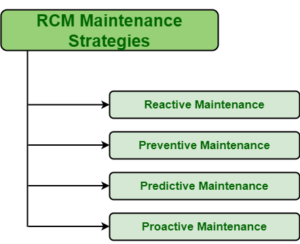
1. Reactive Maintenance:

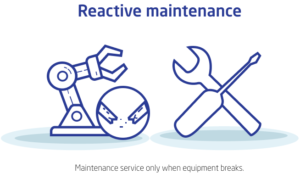
Fix it when it breaks

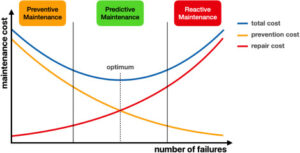
Reactive maintenance, often referred to as “breakdown maintenance,” involves addressing equipment failures as they occur. While it might seem like the most straightforward approach, reactive maintenance can lead to costly downtime, emergency repairs, and a negative impact on productivity. However, there are situations where reactive maintenance is unavoidable or even preferred. For equipment with low criticality or when the cost of preventive maintenance outweighs the potential downtime, reactive maintenance might be a viable option. Nonetheless, relying solely on this strategy can be risky and unsustainable in the long run.

2. Preventive Maintenance:

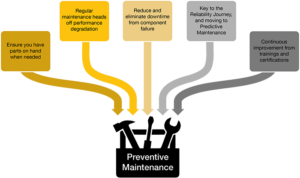
Perform regular overhauls so that the machine will not fail

Preventive maintenance aims to mitigate the likelihood of equipment failures by scheduling regular inspections, servicing, and repairs. This proactive approach involves conducting routine tasks such as lubrication, part replacements, and system checks based on predetermined schedules or usage thresholds. By adhering to a preventive maintenance schedule, organizations can anticipate and address issues before they escalate into costly breakdowns. This strategy helps minimize unplanned downtime, extend the lifespan of assets, and optimize overall operational efficiency. Additionally, it fosters a culture of reliability and accountability within the workforce.


3. Predictive Maintenance:

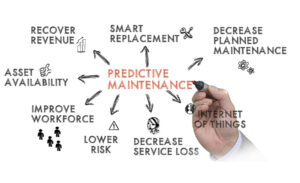
If it ain’t broke, don’t fix it

Predictive maintenance leverages advanced technologies such as sensors, data analytics, and machine learning algorithms to forecast equipment failures before they occur. By continuously monitoring key performance indicators and analyzing real-time data, organizations can identify patterns, anomalies, and early warning signs of potential issues. This data-driven approach enables predictive maintenance strategies to optimize maintenance schedules, prioritize critical assets, and allocate resources more effectively. By intervening at the right time with targeted maintenance actions, organizations can minimize downtime, reduce maintenance costs, and maximize asset availability and performance.


4. Reliability-centered Maintenance (RCM):

To anticipate and solve problems before they become problems

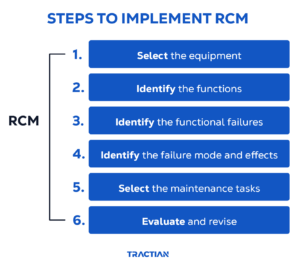
Reliability-centered maintenance (RCM) is a holistic approach that focuses on optimizing maintenance strategies based on the criticality, function, and performance of assets. RCM involves analyzing the potential consequences of equipment failures, identifying appropriate maintenance tasks, and determining the most cost-effective maintenance intervals. Unlike traditional approaches that rely on fixed schedules, RCM emphasizes a tailored and data-informed approach to maintenance planning. By aligning maintenance activities with business objectives and risk tolerance levels, RCM helps organizations achieve higher levels of reliability, safety, and efficiency while minimizing unnecessary maintenance tasks and associated costs.


Conclusion

In today’s competitive landscape, organizations across various industries are under increasing pressure to maximize operational efficiency while minimizing costs and downtime. Effective maintenance strategies play a pivotal role in achieving these objectives by ensuring the reliability, availability, and performance of critical assets. By embracing a combination of reactive, preventive, predictive, and reliability-centered maintenance approaches, organizations can strike a balance between addressing immediate needs and proactively managing asset reliability and performance in the long term. Ultimately, investing in robust maintenance strategies isn’t just about fixing what’s broken—it’s about optimizing operations, driving sustainability, and staying ahead in an ever-evolving marketplace.

The Importance of Vibration Analysis in Predictive Maintenance

Introduction:

In the world of machinery and industrial equipment, breakdowns can be costly in both repair and lost productivity. This is where predictive maintenance comes in, providing a proactive approach to equipment maintenance rather than simply reacting to failures. Among the many tools and techniques available, vibration analysis stands out as a powerful way to detect potential problems before they develop into complete failures. In this blog, we discuss the importance of vibration analysis in predictive maintenance and how it contributes to smoother operations, reduced downtime, and overall cost savings.

Understanding Vibration:

Vibration analysis monitors and analyzes the vibrations produced by machinery to identify anomalies or patterns that indicate potential problems. All machines produce vibrations during normal operation, and changes in these vibrations can indicate a variety of problems, including: Examples: misalignment, bearing wear, shaft imbalance, or structural integrity issues. By regularly collecting and analyzing vibration data, maintenance teams gain valuable insight into equipment health and can predict when maintenance or repair is required, thus avoiding unexpected breakdowns.

Proactive maintenance instead of reactive repairs:

Traditionally, maintenance has been performed reactively. Repairs were carried out after the machine had already broken down or showed signs of malfunction. This approach often results in costly downtime, emergency repairs, and lost production. Predictive maintenance, on the other hand, changes the paradigm by allowing maintenance tasks to be performed before a failure occurs. By monitoring vibration patterns and identifying early signs of deterioration, maintenance teams can schedule repairs during planned downtime, minimizing service interruptions and maximizing equipment uptime.

Reduce costs and increase efficiency:

Introducing vibration analysis into predictive maintenance can provide significant economic benefits. By addressing problems before they become serious, businesses can avoid the high costs of emergency repairs, parts replacement, and unplanned downtime. Additionally, predictive maintenance reduces the chance of catastrophic failures that can cause significant damage to the machine and surrounding equipment. Additionally, by optimizing maintenance schedules based on actual equipment health rather than arbitrary schedules, businesses can save on unnecessary maintenance costs while ensuring optimal performance and longevity of their assets.

 Improved security and reliability:

Beyond economic impact, vibration analysis contributes to improved safety and reliability in industrial environments. Detect and resolve potential equipment failures before they occur, minimizing the risk of accidents, injuries, and environmental hazards. By keeping machinery in optimal condition, companies can also improve operational reliability, giving them confidence in their ability to consistently meet production targets.

Leverage technology to gain better insights

Advances in technology have changed the landscape of predictive maintenance, making vibration analysis easier and more effective than ever before. Advanced sensors, data analysis tools, and machine learning algorithms can now monitor and analyze vibration data in real time, allowing maintenance teams to more accurately detect subtle changes and anomalies. Additionally, cloud-based platforms facilitate remote monitoring and collaboration, allowing businesses to leverage expertise and make data-driven decisions in real-time from anywhere in the world.

Conclusion

In an era where maximizing efficiency and minimizing downtime are paramount, the importance of vibration analysis for predictive maintenance cannot be overstated. By harnessing the power of vibration data, companies can move from reactive maintenance practices to proactive strategies that optimize performance, increase safety, and drive cost savings. As technology advances, vibration analysis capabilities continue to expand, enabling the industry to achieve new levels of reliability and efficiency in its operations. Adopting this innovative maintenance approach is more than just a smart investment, it’s a critical step to staying competitive in today’s rapidly evolving industrial environment.

Demonstrate Vibration Analysis: A Beginner’s Guide

Introduction:

Vibration analysis might sound like a complex topic reserved for experts, but its principles are quite accessible, even for beginners. Whether you’re curious about machinery maintenance, engineering, or simply intrigued by the physics of vibrations, this beginner’s guide aims to demystify the fundamentals of vibration analysis.

Understanding Vibration:

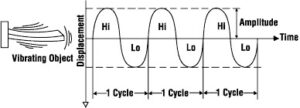
Vibration, in simple terms, is the back-and-forth movement of an object. Everything vibrates, from the buzzing of your smartphone to the rumble of a passing truck. In machinery, vibration can indicate the health and performance of various components.

Why Analyze Vibration?

Vibration analysis is crucial for several reasons:

  1. Predictive Maintenance: By monitoring vibrations, we can detect early signs of machinery malfunction, preventing costly breakdowns.
  2. Performance Optimization: Analyzing vibrations helps fine-tune machinery for optimal efficiency and longevity.
  3. Safety: Excessive vibration can lead to equipment failure or even pose safety risks to personnel.

Key Concepts:

  1. Frequency: Vibration frequency refers to the number of oscillations per unit of time. It’s measured in Hertz (Hz).
  2. Amplitude: Amplitude measures the extent of vibration, indicating the intensity or strength of the oscillations. It’s typically measured in units like millimeters or inches.
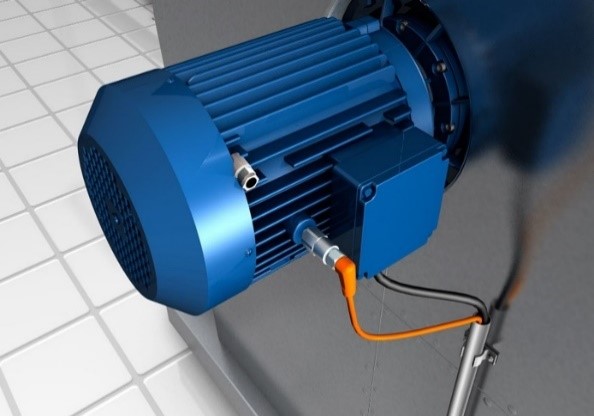
  3. Transducers: Devices called transducers convert mechanical vibrations into electrical signals, which can then be analyzed and interpreted by software or experts.

Vibration Analysis Techniques:

  1. Time Domain Analysis: This method involves analyzing the vibration signal in the time domain, focusing on characteristics such as amplitude, frequency, and phase.
  2. Frequency Domain Analysis: Here, the vibration signal is transformed into the frequency domain using techniques like Fourier analysis. This allows engineers to identify specific frequencies associated with machinery faults.

Tools and Technologies:

  1. Accelerometers: These sensors measure acceleration and are commonly used in vibration analysis to detect and quantify vibrations.
  2. Vibration Analyzers: Specialized instruments that capture, process, and analyze vibration data, providing valuable insights into machinery health.
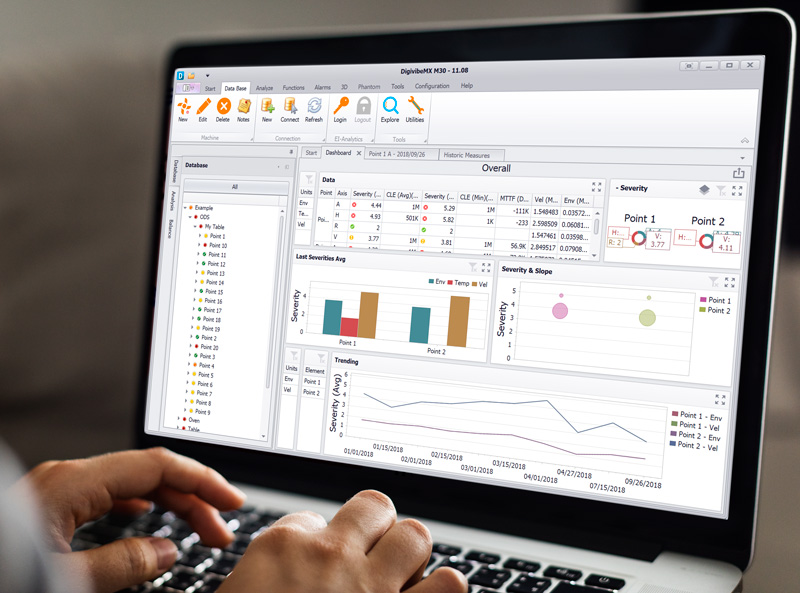
  3. Software: Advanced software packages are available for in-depth vibration analysis, featuring tools for data visualization, signal processing, and fault diagnosis.

Practical Tips for Beginners:

  1. Start with the Basics: Familiarize yourself with fundamental concepts like frequency, amplitude, and transducers before diving into complex analysis techniques.
  2. Hands-On Experience: Practice using vibration measurement tools and software to develop your skills and intuition.
  3. Learn from Experts: Seek guidance from experienced professionals or enroll in training courses to deepen your understanding of vibration analysis.

Conclusion

Vibration analysis is a powerful tool for predicting machinery failures, optimizing performance, and ensuring safety in various industries. By understanding the basic principles and techniques of vibration analysis, beginners can embark on a journey of exploration and discovery in this fascinating field. So, let’s embrace the vibrations and unlock the secrets they hold!

Unlocking the Power of Industrial Thermal Imaging: Enhancing Safety, Efficiency, and Maintenance

In the world of industrial operations, where precision and safety are paramount, thermal imaging has emerged as a game-changing technology. By detecting and visualizing infrared radiation emitted by objects, thermal cameras provide a unique perspective that can significantly enhance safety, efficiency, and maintenance processes across a wide range of industries.

Enhancing Safety

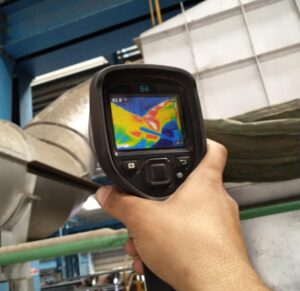
Safety is a top priority in any industrial setting, and thermal imaging plays a crucial role in ensuring a safe working environment. Thermal cameras can detect anomalies such as overheating equipment, electrical faults, and gas leaks before they escalate into serious incidents. By identifying these issues early, thermal imaging helps prevent accidents, minimize downtime, and protect both personnel and assets.

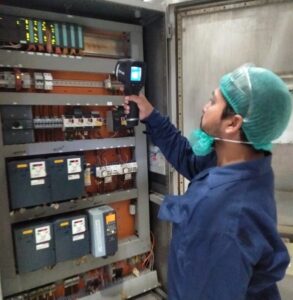
For example, in the oil and gas industry, thermal imaging is used to monitor pipelines and equipment for signs of leakage or malfunction. In electrical systems, thermal cameras can identify hotspots in circuitry, indicating potential issues that need to be addressed promptly. By enabling proactive maintenance, thermal imaging helps companies avoid costly shutdowns and repairs, saving both time and money.

Improving Efficiency

In addition to enhancing safety, thermal imaging also improves operational efficiency. By providing a non-contact method of temperature measurement, thermal cameras enable quick and accurate monitoring of equipment and processes. This real-time data allows operators to identify inefficiencies and optimize performance, leading to increased productivity and reduced energy consumption.

For example, in manufacturing, thermal imaging can be used to monitor the temperature of industrial ovens, ensuring that they operate at optimal levels for the production process. In building maintenance, thermal cameras can identify areas of heat loss or poor insulation, helping companies improve energy efficiency and reduce heating and cooling costs.

Optimizing Maintenance

One of the key benefits of thermal imaging is its ability to detect potential equipment failures before they occur. By identifying early warning signs such as overheating components or excessive friction, thermal cameras enable predictive maintenance strategies that can prevent costly breakdowns and extend the lifespan of critical equipment.

For example, in the automotive industry, thermal imaging is used to monitor the temperature of machinery used in manufacturing processes. By detecting signs of wear or malfunction early, companies can schedule maintenance proactively, avoiding unplanned downtime and ensuring continuous operation.

Conclusion

Industrial thermal imaging is a powerful technology that has revolutionized safety, efficiency, and maintenance in industrial settings. By providing a unique perspective on temperature and heat distribution, thermal cameras enable companies to identify potential issues before they become serious problems, saving time, money, and resources. As technology continues to advance, the potential applications of thermal imaging in industry are only set to grow, making it an indispensable tool for modern industrial operations.

0

Search for products

Back to Top
Product has been added to your cart