

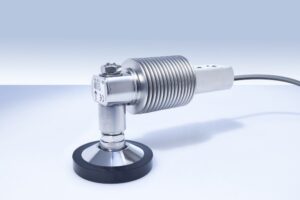
Vibration sensors play a crucial role in predictive maintenance, machine health monitoring, and various research applications. But even the best sensor can provide inaccurate data if it’s not mounted correctly. The mounting method you choose significantly impacts the quality and frequency range of the vibrations captured. So, how do you pick the right technique?
This blog dives into the four main methods for mounting vibration sensors:
1. Stud Mounting:

The gold standard for permanent installations, stud mounting offers the most secure and reliable attachment. It involves drilling a threaded hole into the machinery, allowing for the widest dynamic measurement range and optimal high-frequency response. This method is ideal for harsh environments and applications requiring high-frequency data (>10 kHz). However, drilling into machinery might not always be feasible.
2. Adhesive Mounting:
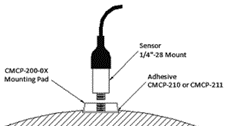
A popular alternative to stud mounting, adhesives provide a strong and relatively easy-to-implement solution. However, adhesive selection is crucial. Choose an adhesive specifically formulated for vibration sensors, considering factors like temperature resistance and curing time. While effective, removing a sensor mounted with adhesive can be tricky and potentially damage the sensor itself. For this reason, adhesives are often preferred for semi-permanent installations.
3. Magnetic Mounting:
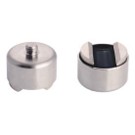
A quick and convenient option, magnetic mounting is great for temporary measurements or when drilling isn’t possible. However, magnets can introduce electrical noise into the data and may not be suitable for high-precision applications. Additionally, the strength of the magnet needs to be sufficient to hold the sensor securely under vibration.
4. Probe Tips:
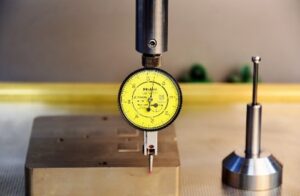
Probe tips, also known as stingers, are essentially threaded studs with a pointed end. They are ideal for tight spaces or reaching specific measurement points on a machine. Similar to stud mounting, probe tips provide a good high-frequency response, but require a threaded hole for attachment.
Choosing the Right Method:
The best mounting method depends on several factors, including:
- Permanence: Do you need a long-term solution or something temporary?
- Frequency Range: What range of vibration frequencies are you interested in measuring?
- Environment: Is the environment harsh or prone to extreme temperatures?
- Machine Surface: Can you drill into the machine, or are there space limitations?
Remember:
- Always consult the sensor’s datasheet for recommended mounting techniques.
- Ensure a clean and smooth mounting surface for optimal data transmission.
- Use high-quality mounting hardware and adhesives suited for the application.
By carefully considering these factors and mounting methods, you can ensure your vibration sensors provide accurate and reliable data, keeping your machines running smoothly.




Leave a comment
Your email address will not be published. Required fields are marked *