

Introduction:
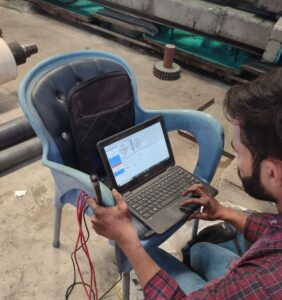
In the realm of industrial maintenance, there’s a silent but powerful ally working tirelessly to ensure smooth operations: vibration analysis. In an era where downtime can be catastrophic and costly, the ability to predict and prevent equipment failures is paramount. This is where condition-based maintenance (CBM) strategies come into play, with vibration analysis emerging as a cornerstone in this proactive approach to maintenance.
Understanding Vibrations:
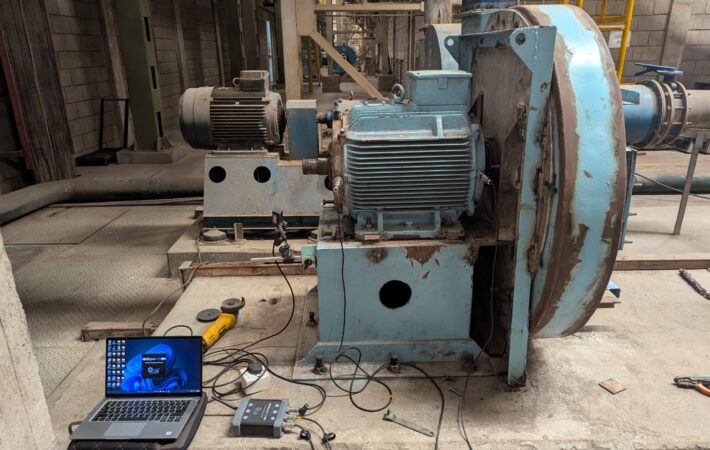
At its core, vibration analysis is the process of monitoring the vibration characteristics of machinery to detect abnormalities that may indicate potential issues. Every piece of machinery has a unique vibration signature, influenced by factors such as rotating components, friction, and structural integrity. By continuously monitoring these vibrations, technicians can identify deviations from normal behavior, allowing them to pinpoint potential faults before they escalate into costly failures.
The Importance of Early Detection:
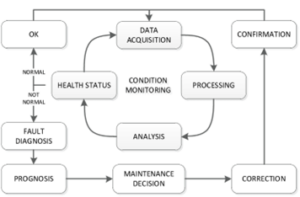
One of the key advantages of vibration analysis is its ability to detect problems in their infancy. Small defects, such as misalignments, imbalance, or bearing wear, often manifest as subtle changes in vibration patterns long before they cause noticeable performance degradation. By catching these issues early, maintenance teams can schedule repairs during planned downtime, minimizing disruptions to production and avoiding the costly domino effect of unplanned breakdowns.
Predictive Maintenance: A Proactive Approach
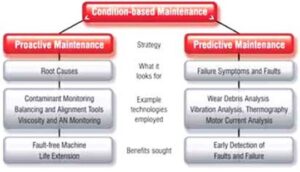
Condition-based maintenance strategies, of which vibration analysis is a fundamental component, represent a shift from reactive to proactive maintenance practices. Rather than waiting for equipment to fail and then addressing the consequences, CBM focuses on preventing failures altogether. By leveraging data collected through vibration analysis, maintenance teams can develop predictive maintenance schedules tailored to the specific needs of each piece of equipment, optimizing maintenance efforts and maximizing uptime.
Maximizing Asset Performance:
Beyond simply preventing failures, vibration analysis plays a crucial role in optimizing asset performance. By monitoring vibration levels over time, maintenance teams can identify trends that may indicate deteriorating conditions or the onset of failure modes. Armed with this information, they can make informed decisions about maintenance intervals, component replacement, and operational adjustments to prolong the lifespan of equipment and maximize its efficiency.
Embracing Technology: The Future of Vibration Analysis
As technology continues to evolve, so too does the field of vibration analysis. Advanced sensors, machine learning algorithms, and predictive analytics are revolutionizing the way we monitor and interpret vibration data, enabling even greater precision and accuracy in detecting potential issues. With the rise of the Industrial Internet of Things (IIoT), machinery is becoming increasingly interconnected, allowing for real-time monitoring and remote diagnostics on a scale never before possible.

Conclusion
In the dynamic landscape of industrial maintenance, the role of vibration analysis in condition-based maintenance strategies cannot be overstated. By harnessing the subtle vibrations emitted by machinery, maintenance teams can unlock a wealth of insights into the health and performance of critical assets. From early detection of faults to predictive maintenance scheduling, vibration analysis empowers organizations to optimize reliability, minimize downtime, and maximize the return on their investment in equipment. As technology continues to advance, the future of vibration analysis promises even greater efficiency, accuracy, and insight, ensuring that our machinery continues to pulse with vitality for years to come.


Leave a comment
Your email address will not be published. Required fields are marked *